Florida is one of the best-known travel hotspots in the United States, and the numbers prove it. In 2025 alone, the state welcomed more than 140 million visitors, marking another record-breaking year for tourism. From beaches and golf communities to theme parks and coastal towns, Florida continues to draw travelers from across the country and around the world.
If you are planning your Florida vacation soon, finding the right vacation rental is only part of the preparation. A little practical planning goes a long way here. Beyond booking your flights and packing sunscreen, there are a few details that can genuinely shape your experience.
Here are five things that will help ensure you have a memorable and safe time in the Sunshine State.
1. Weather Patterns Matter More Than You Think
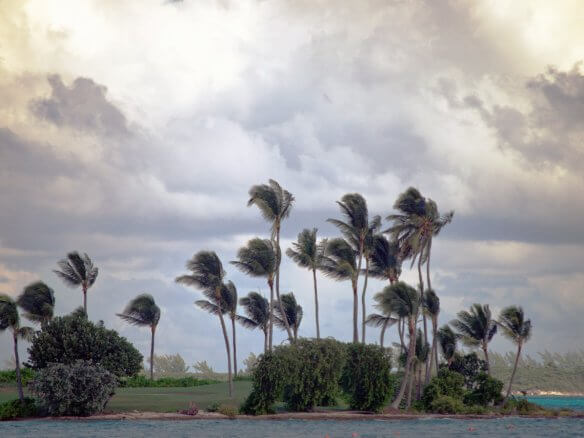
Florida is warm year-round, but that does not mean the weather is predictable. From June through September, afternoon thunderstorms are common, especially in central and south Florida. These storms tend to build quickly, bring heavy rain and lightning, and pass within an hour, but they can interrupt beach plans and golf rounds.
Hurricane season runs from June 1 through November 30. Direct impacts are not everyday events, but it is wise to monitor forecasts during late summer and early fall and consider travel insurance if visiting during peak storm months.
Planning outdoor activities for mornings and keeping afternoons flexible is often the smartest strategy.
2. Distances Are Larger Than They Appear on the Map
Florida looks manageable on a map, but drive times can surprise visitors. For example, Orlando to Miami is about a three- to four-hour drive. Even within a region like Sarasota or Tampa Bay, beach traffic and seasonal congestion can add significant time.
If you are staying in a coastal community, assume you will need a car. Public transportation is limited in many areas, and rideshare availability can vary depending on location.
Pro Tip: When building your itinerary, cluster activities geographically rather than planning long cross-state day trips.
3. Wildlife and Nature Are Part of Everyday Life
Florida’s natural beauty is part of its appeal, but it comes with wildlife. You may encounter:
- Alligators in freshwater lakes and retention ponds
- Jellyfish or stingrays at the beach
- Fire ants in grassy areas
- Mosquitoes during warmer months
Most of these are not dangerous if you use common sense. Do not swim in freshwater lakes unless designated safe, shuffle your feet when entering Gulf waters to avoid stepping on stingrays, and use insect repellent in the evenings.
Being aware – not alarmed – is the right mindset.
4. The Sun is Stronger Than You Expect
Even in winter, Florida’s UV index can be high. Visitors often underestimate how quickly sunburn can happen, especially near reflective surfaces like water and white sand.
Wear reef-safe sunscreen, reapply regularly, and drink more water than you think you need. Heat exhaustion can sneak up quickly during summer months, particularly if you are coming from a cooler climate.
Lightweight clothing, hats, and shaded breaks make a noticeable difference.
Must Read: What to Know Before You Pack for Your Florida Vacation
5. Seasonal Pricing and Reservations Fill Fast
Peak season in many Florida destinations runs from January through April, when visitors from colder states head south for milder weather. During this time, vacation rentals, golf tee times, restaurants, and even beach parking can book up quickly.
If you are visiting during winter or spring break periods, make reservations in advance. Booking early not only secures better pricing but also gives you more flexibility in choosing the right rental property.
Plan Your Florida Stay with Confidence
A Florida vacation can be effortless when you plan with the right expectations. Understanding the weather, travel distances, and seasonal patterns helps you enjoy the trip rather than react to it.
If you are looking for a well-managed vacation rental in the Sarasota and surrounding Gulf Coast region, our team is here to help. We can guide you toward properties that match your travel style and provide local insight to make planning easier. Reach out to learn more or browse available homes for your upcoming Florida stay.
Frequently Asked Questions About Traveling to Florida
What is the best month to visit Florida?
For most visitors, November through April is the sweet spot. Temperatures are comfortable, humidity is lower, and rainfall is minimal. This is peak season for beach communities and golf destinations across the state, including the Sarasota and Bradenton area. However, if you are flexible on timing, November and early December offer good weather with fewer crowds and better rental availability before the January rush.
Do I need travel insurance for a Florida trip?
Travel insurance is not required, but it is worth considering, particularly if you are traveling during hurricane season, booking non-refundable accommodations, or flying in from overseas. A policy that covers trip cancellation due to weather, medical emergencies, and lost luggage gives you a reasonable safety net without a significant upfront cost. Read the fine print on what weather-related disruptions are actually covered, as policies vary.
Do I need a rental car in Florida?
Florida is a driving state. Outside of a handful of walkable urban pockets in places like Miami Beach or downtown St. Petersburg, public transit is limited, and ride-share costs add up quickly over the course of a week-long trip. If you are staying in a beach community, a golf community, or a suburban rental, a car is essentially required. Book early, especially for peak season between January and April, when rental car availability tightens and prices climb.